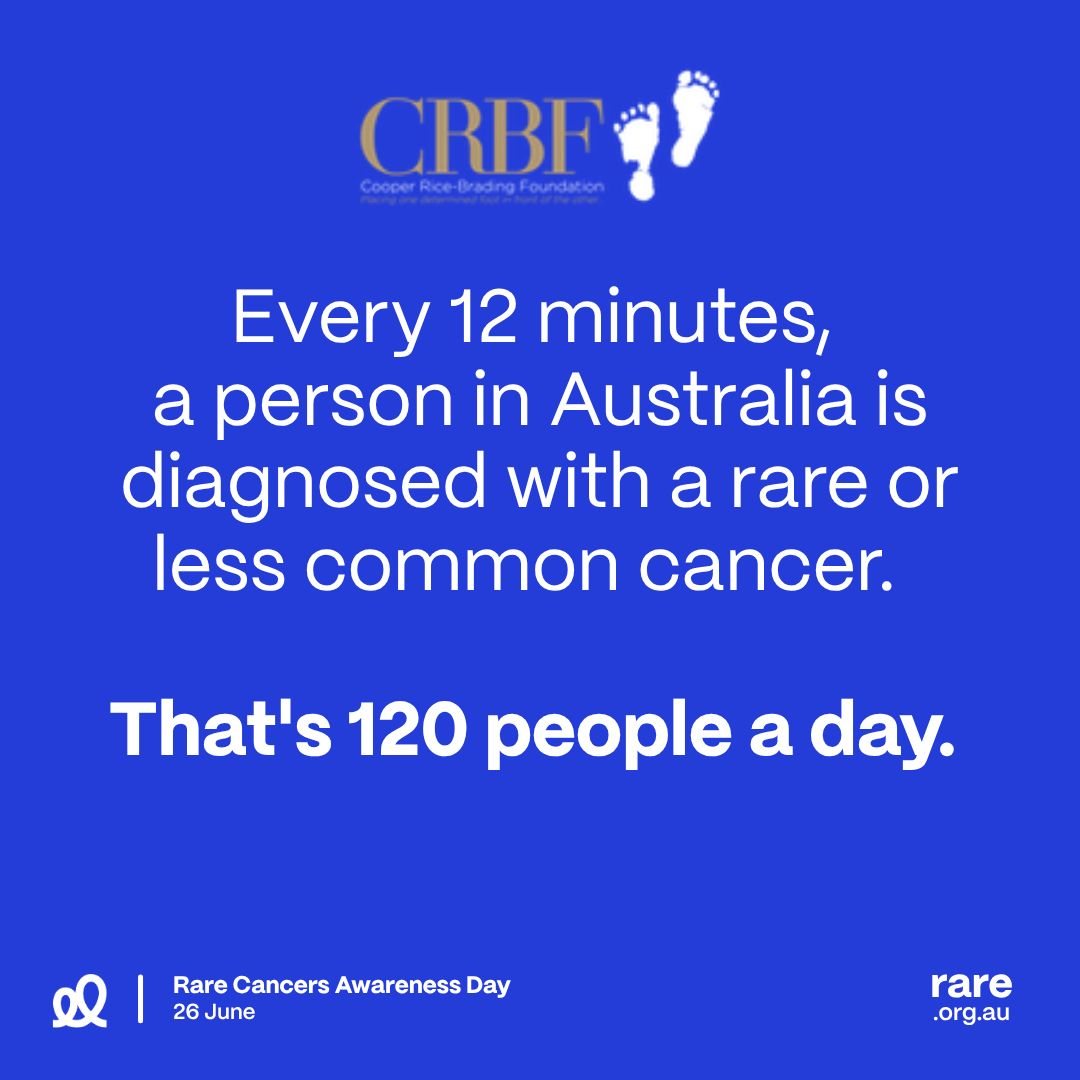
Today, on Rare Cancers Awareness Day, we join with the rare cancer community across Australia to raise awareness of the unique challenges faced by the thousands of Australians diagnosed with a rare or less common cancer every year. While each rare cancer may affect relatively few people, together they account for a significant proportion of cancer diagnoses and deaths, highlighting the urgent need for greater awareness, research, equitable access to care and support.
To help patients, families, clinicians and the broader community better understand rare cancers, we are pleased to share this comprehensive Rare Cancers Information Kit, developed by Rare Cancers Australia. As Australia’s leading organisation dedicated to supporting people living with rare and less common cancers, Rare Cancers Australia provides trusted information, practical guidance, advocacy and support to ensure that no Australian faces a rare cancer diagnosis alone.
Vale Kirsty Bourke: A Courageous Voice for Young Australians Living with Cancer
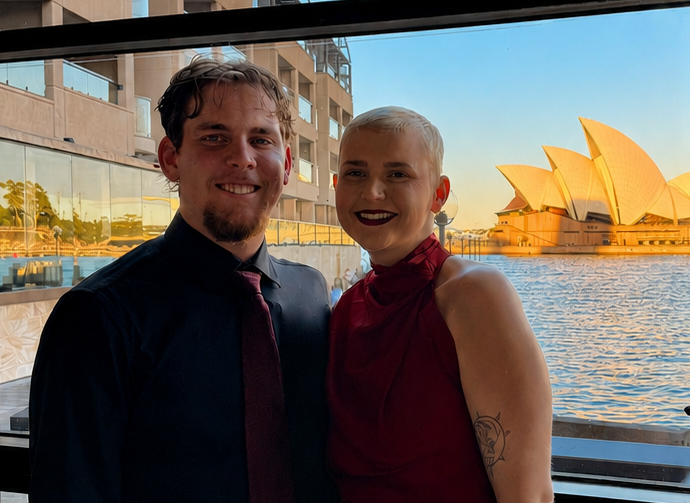
The Cooper Rice-Brading Foundation is deeply saddened by the passing of Kirsty Bourke, a remarkable young woman whose courage, determination, and advocacy touched countless lives across the sarcoma and young adult cancer communities.
Kirsty was just 22 years old.
Diagnosed with metastatic Ewing sarcoma at the age of 16, Kirsty endured more than most people could imagine. Over six years, she faced repeated relapses, intensive chemotherapy, radiation therapy, major surgery, an autologous stem cell transplant, and countless hospital admissions. Yet despite the enormous physical and emotional toll of her disease, she remained determined to use her experience to improve the lives of others.
Throughout her cancer journey, Kirsty became a passionate advocate for young people navigating treatment within Australia’s healthcare system. Drawing on her own experiences as a regional Queensland patient, she spoke openly about the challenges faced by adolescents and young adults receiving care in adult hospitals and the need for dedicated youth-focused support services.
Her advocacy was deeply personal.
After transitioning from the Queensland Children’s Hospital to the Princess Alexandra Hospital, Kirsty experienced firsthand the challenges many young cancer patients face when moving from paediatric to adult healthcare. She became a strong and fearless voice for improved access to youth spaces, specialised support services, and age-appropriate care for young Australians facing cancer.
Even while undergoing treatment, Kirsty continued to champion change. She wrote directly to government representatives, engaged with healthcare leaders, and used every opportunity available to raise awareness of the gaps that exist for young people receiving cancer treatment. Her message was simple but powerful: young people fighting for their lives deserve to feel seen, supported, and understood.
What made Kirsty extraordinary was her refusal to let cancer define her.
Between treatments and periods of remission, she embraced life with determination and joy. She travelled, created memories with family and friends, moved into her own home, married the love of her life, and continued to dream about the future. Even when faced with further recurrence of her disease, she remained focused on helping others and creating positive change.
The impact Kirsty made extends far beyond her own story. Through her advocacy, honesty, and willingness to speak out, she helped shine a light on the experiences of young Australians living with cancer and challenged all of us to do better.
We also wish to acknowledge the extraordinary team at the Youth Cancer Service at the Princess Alexandra Hospital in Brisbane. The special bond they shared with Kirsty was evident to all who knew her. Their compassion, friendship, and unwavering support helped guide Kirsty and her family through some of life’s most difficult moments, and their care made a lasting difference.
Today we mourn the loss of a young woman taken far too soon. We grieve for the future she deserved and the many possibilities that should have been hers.
At the same time, we celebrate a life of courage, purpose, and impact.
Kirsty’s legacy will live on through the conversations she started, the awareness she raised, the change she fought for, and the countless people she inspired along the way.
Our love and deepest sympathies are with Kirsty’s husband Cayden, mum Bron, dad Brian, brother Matthew, close friends, healthcare teams, and all those whose lives were enriched by knowing her.
Thank you, Kirsty. Your voice mattered. Your advocacy mattered. Your life mattered.
You will never be forgotten
We have published the letters below, (with the consent of Kirsty and her husband Cayden) which remained unanswered by the Queensland Minister for Health, Timothy (Tim) Nicholls MP. They are emblematic of a system that too often fails to recognise the unique needs of young people with cancer and reflect Kirsty’s determination to ensure future patients receive the support, dignity, and age-appropriate care they deserve.
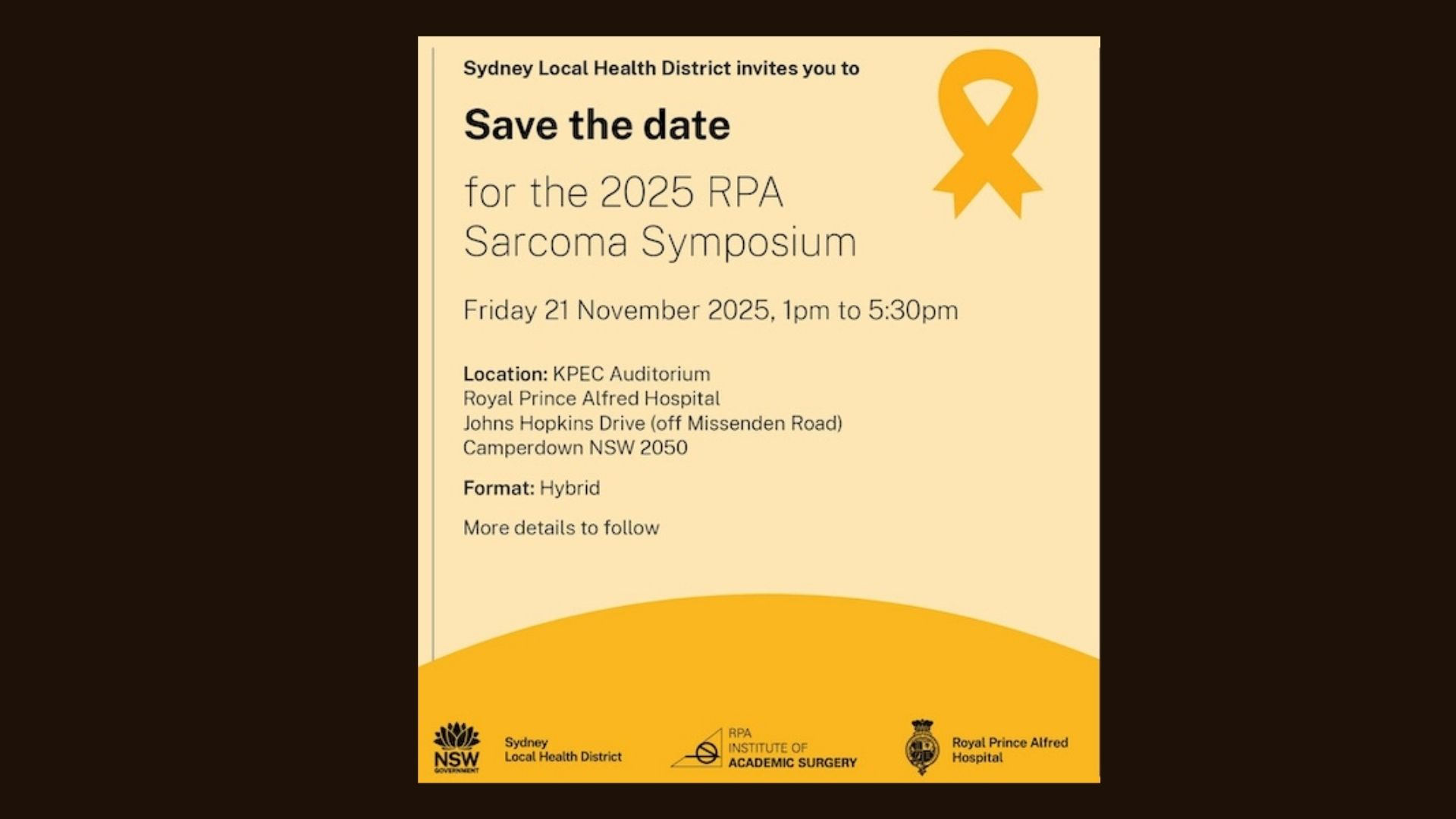
Following the success of the 2023 Sarcoma Summit and 2024 Sarcoma Symposium, the RPA Bone and Soft Tissue Sarcoma Service is excited to host this important event again in November 2025. The Symposium aims to bring together patients, families, carers, clinicians, and researchers to connect, learn and collaborate towards better sarcoma care.
The program features individual presentations, panel discussions and Q&A on topics including service developments, clinical and support services, access to treatment and research updates. Please see the program attached.
The event will be delivered in a hybrid format, with attendance both in-person and online via live stream. Clinicians, researchers, carers, family and patients are invited to attend the day.
“In February 2017, Jack Gibson, at the age of 20, was diagnosed with Osteosarcoma. Jack was about to enter his third year at university and was living his best life. He was one of almost 2000 people diagnosed with sarcoma that year.
Sarcoma, while rare, is the most common cause of cancer related death in people under the age of 24.
Despite his best efforts, and those of his medical staff, family and friends, Jack passed away on November 1, 2022, almost 6 years later.
CRBF established a Sarcoma Patient and Family Support Programme and Jack, as Patient Advocate, provided his insight into the torrid and brutal journey that patients and families endure in search of the elusive recovery from Sarcoma.
Jack was passionate about helping those patients and their families who have or will in the future, be diagnosed with sarcoma.
Since his death, Jack’s family and fabulous group of friends have continued to work to establish a fund to support CRBF’s patient support programme that was renamed in his honour as the Jack Gibson Sarcoma Patient and Family Support Programme (JGSP&FSP).
This fund aims to support the programme in perpetuity and thus continue to help those most in need of assistance while navigating a sarcoma diagnosis.
Due to the generosity of so many, to date over $500,000 has been raised but Jack’s family and friends are aiming to raise $1M to ensure the Fund’s longevity.” – Suzie Carlon & Neil Gibson (Jack’s parents)
CRBF remains deeply and eternally grateful to the Gibson family and their loyal supporters for their unwavering commitment in reaching this extraordinary milestone. This vital funding will help secure the longevity of the Jack Gibson Sarcoma Patient & Family Support Programme, ensuring that patients and their families continue to receive the personalised, compassionate care they so richly deserve, both now and into the future.
“I had a sore shoulder for six months. I thought I’d just injured it at work…”
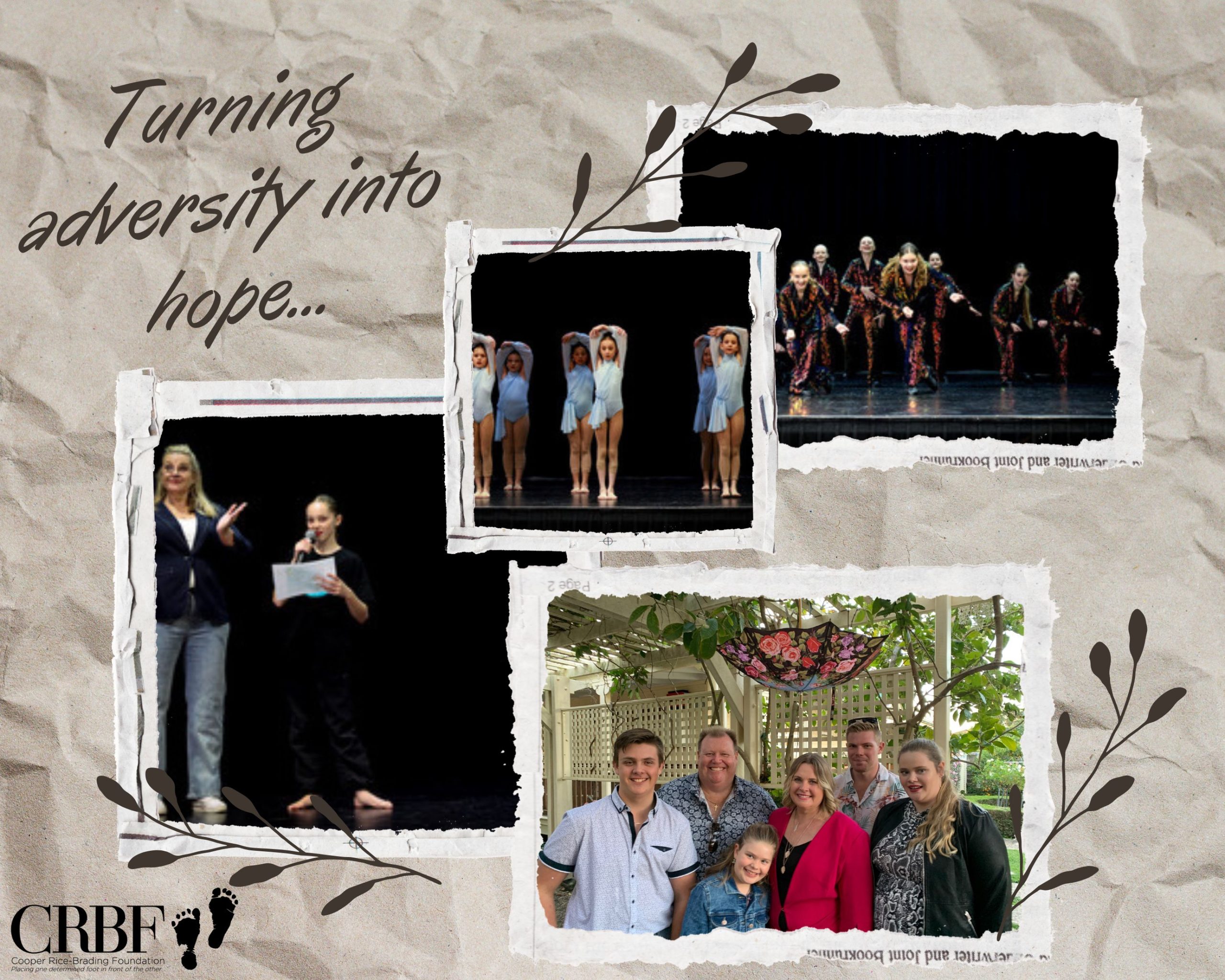
When Stacey Walvin first began experiencing shoulder pain in 2020, she assumed it was a work-related injury, an occupational hazard for a lifelong dance teacher. After months of seeing physiotherapists and massage therapists with no relief, the persistent pain led to something far more serious: a diagnosis of chondrosarcoma, a rare form of bone cancer.
“Wasn’t 2020 a fun year?” Stacey says with trademark humour, masking the deep and sudden shift that diagnosis brought to her life.
This August, Stacey marks five years in remission, a milestone filled with gratitude, reflection, and resilience. But the path to this point has been far from smooth. The surgery required to remove the tumour left her without the use of her shoulder joint, which is an unimaginable outcome for someone whose life has been spent moving to music and guiding others to do the same.
“The hardest part has been not being able to tie up my own hair,” Stacey admits. “That was something I never thought I’d miss, but it’s the small, everyday things you grieve the most. I live with pain every day. It comes and goes, but it’s manageable. What surprises me most is the emotional pain which still catches me off guard.”
She recalls a moment at the beach, watching windsurfers with her family. A sudden wave of grief hit her when realising she’d never be able to do something like that. “I burst into tears. Then my family gently asked me, ‘Did you ever want to windsurf?” I laughed, because the answer was no. It wasn’t about the activity, it was about the choice being taken away from me.
Despite everything, Stacey has remained deeply connected to her passion: dance. She continues to run her beloved Generation Dance Centre, though she’s had to adapt her teaching style. “I had to stop teaching the littlest ones, which broke my heart a bit -they were always my favourites. But I’ve learned to teach differently, using words more than demonstrating, and sometimes relying on older students to show steps.”
Stacey is also a proud mum of four incredible children and two beautiful grandchildren, who have walked every step of this journey alongside her.
Each year, her studio’s Mid-Year Showcase has become a celebration of resilience and a powerful fundraising event for CRBF. “Our students perform, local businesses donate prizes for our raffles, and we always have a sausage sizzle. This year, we had about 300 guests. I honestly couldn’t tell you how much we’ve raised over the years, but since my diagnosis, every cent has gone to sarcoma research and support through CRBF.”
Stacey’s story is one of enduring strength, humour, and an unshakeable commitment to giving back, despite the personal cost.
She is a reminder that sarcoma doesn’t just impact the body; it reaches deep into a person’s identity, their passions, and their everyday life. Yet even in the face of such profound change, Stacey continues to dance – perhaps not always physically, but in spirit, she’s never missed a step.
Laughter & tears—much like the weather—defined the 2025 Mother’s Day Breakfast, held in support of sarcoma research and patient care.
Despite the gathering grey clouds, Sydney Harbour sparkled as guests arrived at the stunning Park Hyatt Sydney. As always, the exceptional team at PHS, led by Aoife Burns and Christine Haddad, ensured every detail was immaculate. A special thanks goes to Sophie, whose long-standing involvement has guaranteed the perfect finishing touches each year.
The Guest Room looked resplendent, bathed in filtered sunlight that danced across centrepieces of sweet pink rosebuds and gypsophila, generously donated by the Lynch family. Guests were also treated to gifts from our loyal and generous sponsors—Taylors Wines, Lindt Master Chocolatier and Glasshouse —who have stood by us year after year with unwavering support.
For the past seven years, the wonderful Gloria Gapes and Dyan Comino have been pillars of unwavering support for this event. Once again, they arrived at dawn—alongside the fabulous Naomi Chun who always puts her hand up to help—to dress tables and transform the room into something truly resplendent.
The morning opened with a warm and heartfelt welcome from our former Chairman and High Court Judge, the Hon. Justice Robert Beech-Jones. This was followed by the incomparable renowned media commentator, Melissa Hoyer, whose professionalism and enduring support of CRBF leaves our family deeply touched. This was especially poignant this year, as Melissa had only recently been discharged from an extended hospital stay—an inspiring testament to her unwavering dedication and passion for the cause.
A moving tribute then honoured those we have lost over the past year, accompanied by a soul-stirring rendition of “I Will Always Love You,” performed by Luxe Strings and the extraordinary talents of Zenith Chae, Eliza Bennett, and Nataliya Lukich.
Mitchell Rice-Brading hosted a special conversation with Suzie Carlon and Neil Gibson. The Gibson family, including children Harry and Lily, have walked this road beside our own family for many years. Their beloved Jack—former CRBF Patient Advocate—lost his life to sarcoma in 2022, changing their lives and ours forever.
In just two short years, the Gibson family has raised over half a million dollars in Jack’s memory to support sarcoma patients through the programme that now bears his name. Suzie and Neil spoke passionately about their vision to create a self-funded, sustainable model for the Jack Gibson Sarcoma Patient & Family Support Programme. The family has over many years generously offered their magnificent Manning River property, Mansfield on the Manning, for both patient respite and CRBF fundraising.
Guests then savoured a sumptuous Park Hyatt breakfast, accompanied by the sublime sounds of Luxe Strings weaving through the morning air.
The forum that followed featured the extraordinary Dreverman family. Claudia, Graham, and Judy Dreverman have all been touched by sarcoma. Claudia was a young mother when her husband Andrew, son of Judy and Graham, was diagnosed and tragically passed away. Since Andrew’s passing, the Drevermans have worked tirelessly for over a decade to raise funds and awareness, offering their magnificent country property Somerton Ridge for auctions, raffles, and as a haven for patients and families in need.
Joining them on stage was a young woman who can only be described as a force of nature, Cassandra Prothero, Gala Director of Tour de Cure. A dynamic young mother and powerhouse, Cass leads a team that generates over $4 million annually for cancer research in Australia. She outlined the organisation’s mission, its impact to date, and its growing commitment to sarcoma research.
Cass’s parents, Dominic and Andrew Robinson, have enjoyed a lifelong friendship with the Dreverman family, further strengthening the connection between Tour de Cure and our shared mission.
Completing this inspiring panel was Dr. Maya Kansara, one of the world’s leading sarcoma researchers. She spoke about the transformative impact of Tour de Cure funding and the Tom Hardyman Sarcoma Research Fund on the MoST CaSP/Sarc programme—a national initiative she leads to improve outcomes for sarcoma patients.
The mood then lightened as Mitch Rice-Brading took to the floor, microphone in hand. No one was safe. He playfully called out our former Chair Jeremy Sutcliffe, only to be quickly outwitted when Mitch referenced his cricketing days at Sydney Grammar. Mitch also made his way around the room with humorous nods to our esteemed bone tumour surgeons, Drs. Maurice Guzman and Richard Boyle, together with CRBF fundraiser/Cooper’s friend Matt Jones, to name but a few.
Raffle time followed, with the exquisite @Autore South Sea pearl earrings going to the very deserving Judy Dreverman. Cass Prothero walked away with the magnificent Tahitian pearl earrings donated by the Rutherford family, of Rutherford Fine Jewellery & Pearls in Collins St, Melbourne. A full list of the eight lucky winners is available at raffletix.com.au.
Book buyers were gifted a beautiful mini candle from Candles by Ange—gorgeous, hand-poured creations by the talented Ange Wanford. We are truly grateful for her ongoing love, generosity, and unwavering support.
The event concluded with closing remarks from Jeremy Sutcliffe, delivered with the grace and wit for which he’s known. A typo in the programme saw him referred to as Chairman of James Hardie, rather than his correct role as Chair of CSR, among other esteemed board appointments. Jeremy—our inaugural Chair—laid the foundations on which CRBF’s success is built. We’re grateful for his leadership, his humour, and his good-natured response. And yes, Jeremy—we’ve dismissed the research team responsible for the typo and offer our unreserved apologies.
This event is not possible without our outstanding donors and sponsors (alphabetically)
Autore Pearls
Bistro Rex
Candles by Ange
Glasshouse & The Sapphire Group
Macleay St Bistro
Park Hyatt Sydney
Rutherford Fine Jewellery & Pearls
Steven Khalil
Taylors Wines
The Lynch Family
The Macleay Group
The Magiros Family
The Melki Family
Special thanks to Hanna and Luxe Strings for the exquisite string recital; Jarrad Sapsford who once more went over and beyond to help us behind the scenes despite not performing this year, and to the Jarrad’s mother Simonne and her wonderful friends Anita, Ami, Julie Goyen, Kathy, and Nada who each year loyally support this event.
We are deeply grateful to Stef and Mitchell O’Connor—the talented husband-and-wife duo behind Qantum Haus—who so generously gave their time and expertise to capture the essence of the event through their exquisite photography and videography.
It’s now 361 days to go until we do it all again. We look forward to welcoming you all next year…
We are thrilled to share a significant milestone in the mission to end sarcoma. CRBF, in collaboration with the Tom Hardyman Sarcoma Research Fund and Tour de Cure Spring Lunch—on behalf of the Andrew Dreverman Legacy for Sarcoma Research Fund—has proudly co-funded groundbreaking research that has led to the launch of a new sarcoma-focused programme through Omico Australia.
In November 2023, the Tour de Cure Spring Lunch raised an incredible $1.3 million in just four hours—an outstanding achievement. The beneficiaries included CRBF and, most importantly, the sarcoma community, alongside funding for onco-fertility support for young patients at the Royal Women’s Hospital Sydney. The Spring Lunch showcases the incredible work of a remarkable team, together with Dominique Robinson, her daughter Cassandra Prothero and Dom’s bother Bruno Maurel, OAM.
On Sunday February 16, the MoST/CaSP/Sarc programme was officially launched and will exist under the leadership of Professor David Thomas and Dr. Maya Kansara. We are beyond grateful to them and to their team for the work they have placed into this pivotal programme.
Expected to be the largest of its kind globally, this programme will encompass a cohort of over 3,000 patients with international reach—an essential step forward in advancing sarcoma research and treatment.
Special thanks to Phil Baker the CRBF Media and PR Consultant who volunteers his expertise to bring these stories together.
At CRBF, we firmly believe that hope lies in research, and we are fortunate to have some of the world’s leading experts right here in Australia.
Over the past 12 months, we have been proud to co-fund the following innovative paediatric and AYA research projects.
CaSP Sarc Programme – Omico Australia UNSW
We are excited to announce the launch of the MoST/CASP-SARC Initiative through Omico Australia, a pivotal new research project focused on improving treatments for sarcoma – one of the most challenging and aggressive cancers. This initiative will help us better understand sarcoma and pave the way for more personalised, effective treatments.
The research will focus on three main areas:
Harnessing Real-World Data – Analysing information from over 1,500+ sarcoma patients who took part in Omico’s MoST and CASP initiatives. Researchers aim to evaluate current treatment efficacy, identify critical gaps in care, and explore strategies to improve patient outcomes.
Studying Patient Samples – By analysing biological samples from past MoST-led trials, we aim to find clues (called biomarkers) that can explain why some treatments work or don’t work. This will guide us toward better therapies in the future.
Targeting Proteins for Personalised Treatments –Scientists will investigate specific proteins in sarcoma patients that could be used as targets for new, precision-based therapies. This could lead to improved outcomes and a better quality of life for people with sarcoma.
Hudson Institute Sarcoma Accelerator
Under the expert supervision of Professor Ron Firestein and Associate Professor Jason Cain, this initiative will create a comprehensive collection of tumour samples from sarcoma patients.
By leveraging cutting-edge technologies, including artificial intelligence (AI), these samples will be studied in intricate detail. The Programme will provide a comprehensive collection of tumour samples from sarcoma patients and grown as avatar/cell-line models. These models will be studied in detail using cutting-edge technology, including artificial intelligence (AI). This approach aims to discover new, more effective treatment options tailored to each patient’s specific type of sarcoma. By understanding the unique characteristics of each tumour, we can develop targeted therapies that are more likely to be effective.
The cell line models will be comprehensively profiled in three dimensions (genomic, epigenomic, and transcriptomic) to provide both gene-specific and pathway-level analyses of sarcoma cancer models. The models and associated data developed through this initiative will form an invaluable resource, helping researchers identify and utilise appropriate sarcoma models for investigational research.
Significantly, data will be shared with the research community via our portal (vicpcc.org.au/dashboard). This publicly available database, already used in over 50 countries, will aid sarcoma research on a global scale.
This pioneering effort aims to discover new, more effective treatment options tailored to each patient’s specific type of sarcoma.
NK Cell Programme Ian Frazer Institute
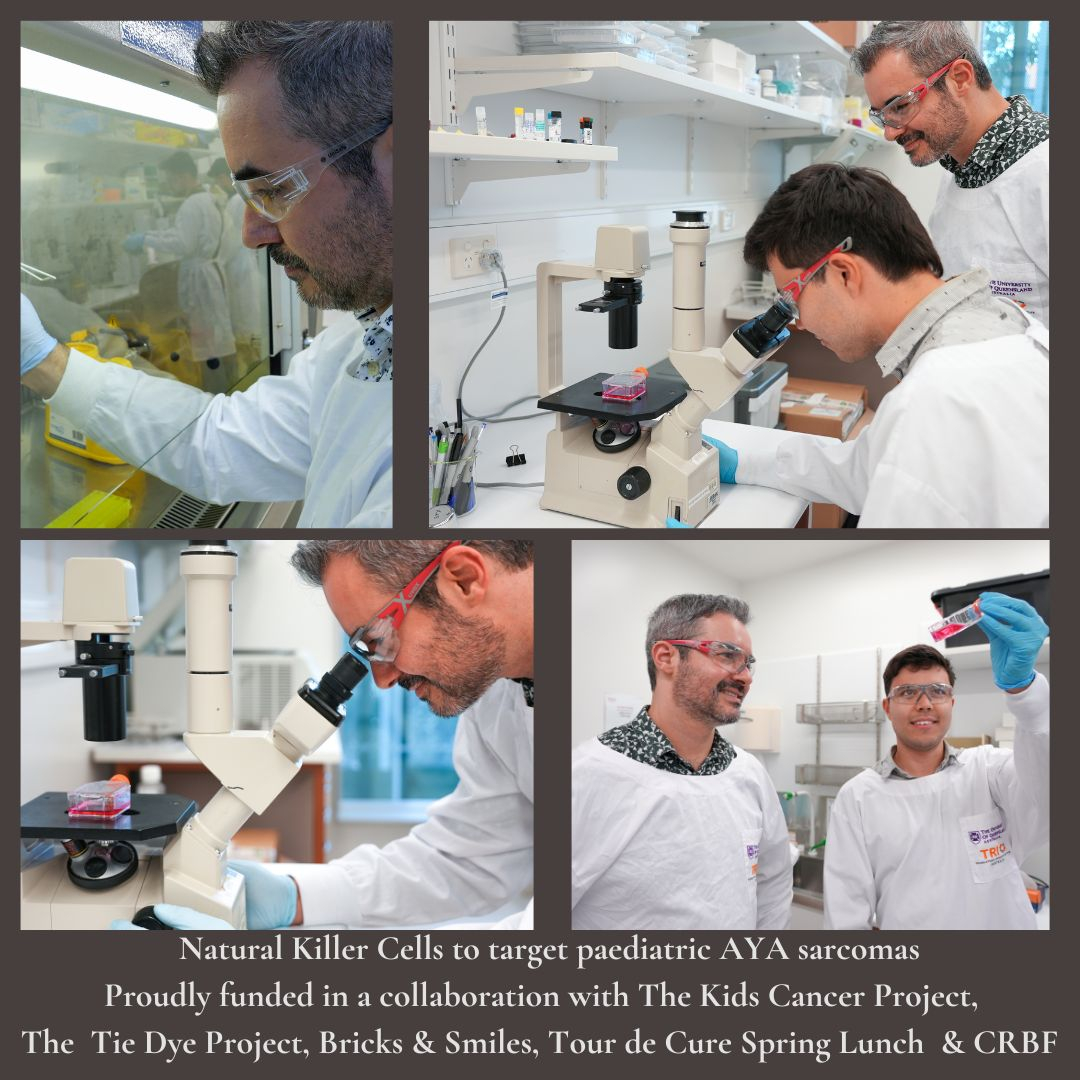
A funding collaboration by several national sarcoma not for profit organisations, supporting the work of Professor Fernando Guimaraes and his team from the Ian Frazer Institute of Translational Research in Queensland, has led to a significant step forward in the search for a cure for some of the most sinister paediatric sarcomas. The Tie Dye Project, Richies Rainbows, The Kids Cancer Project, Bricks and Smiles – the Zach Minty Project, Tour de Cure Spring Lunch, CRBF, and ANZSA supported by generous donations from Kicking Goals for Xav, Stoney’s Steps Against Sarcoma and Stop Sarcoma
Paediatric sarcomas, including rhabdomyosarcoma, Ewing sarcoma and osteosarcoma, represent a group of malignancies that significantly contribute to cancer-related illness and mortality in children and young adults. These cancers share common challenges, including high rates of metastasis, recurrence or treatment resistance, leading to a 5-year survival rate of approximately 20% for patients with advanced disease stages.
Despite the critical need, therapeutic advancements have been limited over the past three decades. The advent of chimeric antigen receptor (CAR)-based immunotherapies offers a promising avenue for novel treatments. However, CAR-T cells have faced significant challenges and limited success in treating solid tumours due to issues such as poor tumour infiltration, immunosuppressive tumour microenvironments and off-target effects. In contrast, the adaptation of CAR technology for natural killer cells has demonstrated potential in both haematological (blood) and solid tumours (A solid tumor is a mass of solid cancer cells that grows in organ systems and can appear anywhere in the body), suggesting a new therapeutic strategy for paediatric sarcomas.
CCIA Sarcoma Biobank
Young Australians fighting sarcoma, an aggressive tumour that mainly affects children, teenagers, and young adults, will welcome the announcement this week of an exciting new initiative to boost vital research into this disease.
The initiative, known as the ‘Paediatric Preclinical Biobank’, has been made possible through funding of $312,000 by the Cooper Rice-Brading Foundation, which received a generous donation from the Sutcliffe Family Trust in memory of both a young family member taken by sarcoma, and of Cooper Rice-Brading, who also passed away from osteosarcoma in 2017.
Jeremy Sutcliffe, the inaugural Chairman of the Cooper Rice-Brading Foundation, said: ‘Sarcoma is a devastating cancer which disproportionately affects young people and yet is not well known and attracts insufficient funding. The Biobank is a fantastic initiative on the road to developing effective interventions and treatments which will save the lives of our youth in the future.’
The Paediatric Preclinical Biobank will be located at Children’s Cancer Institute, where researchers have developed more than 400 ‘avatar models’ — living models of disease derived from the cancer cells of children with high-risk cancers including sarcoma. These models are vital for the testing of new therapeutic approaches. The funding will support the Biobank’s flagship sarcoma program and will allow 80 unique paediatric and adolescent and young adult (AYA) sarcoma models to be characterised, expanded and made available to the research community.
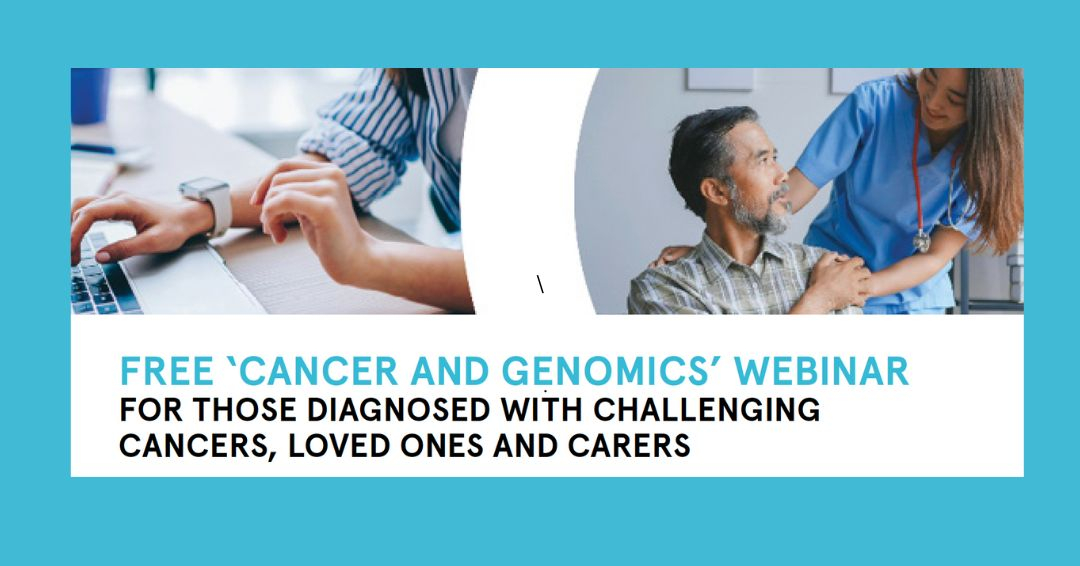
Join Omico Australia’s free educational webinar this February to explore cancer and genomics. Learn from experts and patients about precision oncology, comprehensive genomic profiling (CGP), and treatment matching—advancing cancer care through innovation.
Enhancement of anti-sarcoma immunity by NK cells engineered with mRNA for expression of a EphA2-targeted CAR
A funding collaboration by several national sarcoma not for profit organisations, supporting the work of Professor Fernando Guimaraes and his team from the Ian Frazer Institute of Translational Research in Queensland, has led to a significant step forward in the search for a cure for some of the most sinister paediatric sarcomas. The Tie Dye Project, Richies Rainbows, The Kids Cancer Project, Bricks and Smiles – the Zach Minty Project, Tour de Cure Spring Lunch, CRBF, and ANZSA supported by generous donations from Kicking Goals for Xav, Stoney’s Steps Against Sarcoma and Stop Sarcoma
Paediatric sarcomas, including rhabdomyosarcoma, Ewing sarcoma and osteosarcoma, represent a group of malignancies that significantly contribute to cancer-related illness and mortality in children and young adults. These cancers share common challenges, including high rates of metastasis, recurrence or treatment resistance, leading to a 5-year survival rate of approximately 20% for patients with advanced disease stages.
Despite the critical need, therapeutic advancements have been limited over the past three decades. The advent of chimeric antigen receptor (CAR)-based immunotherapies offers a promising avenue for novel treatments. However, CAR-T cells have faced significant challenges and limited success in treating solid tumours due to issues such as poor tumour infiltration, immunosuppressive tumour microenvironments and off-target effects. In contrast, the adaptation of CAR technology for natural killer cells has demonstrated potential in both haematological (blood) and solid tumours (A solid tumor is a mass of solid cancer cells that grows in organ systems and can appear anywhere in the body), suggesting a new therapeutic strategy for paediatric sarcomas.
In a paper published 6th December, 2024 in the academic publisher, Wiley Clinical Research Journal, preliminary findings provide a foundational basis for the clinical evaluation of EphA2-targeted CAR-NK cell therapy across a spectrum of paediatric sarcomas. The enhanced anti-tumour effects observed in vitro/vivo suggests potential
for improved therapeutic outcomes in hard-to-cure paediatric sarcomas.
Professor Fernando Guamaeres from the Ian Frazer Institute of Translational Research, said “Our latest research focused on reprogramming a type of immune cell, called a natural killer (NK) cell, to target and eliminate aggressive paediatric sarcoma cancers. These engineered cells showed outstanding ability to kill sarcoma cells in both laboratory experiments and early animal studies. This brings us one step closer to developing a new therapy for young patients facing these challenging cancers.
Right now, we’re starting to focus on the next phase: preparing for future clinical trials. It’s an exciting time, and support from donors is crucial as we work to turn this research into real, impactful treatments.”
To read more about this exciting development go to